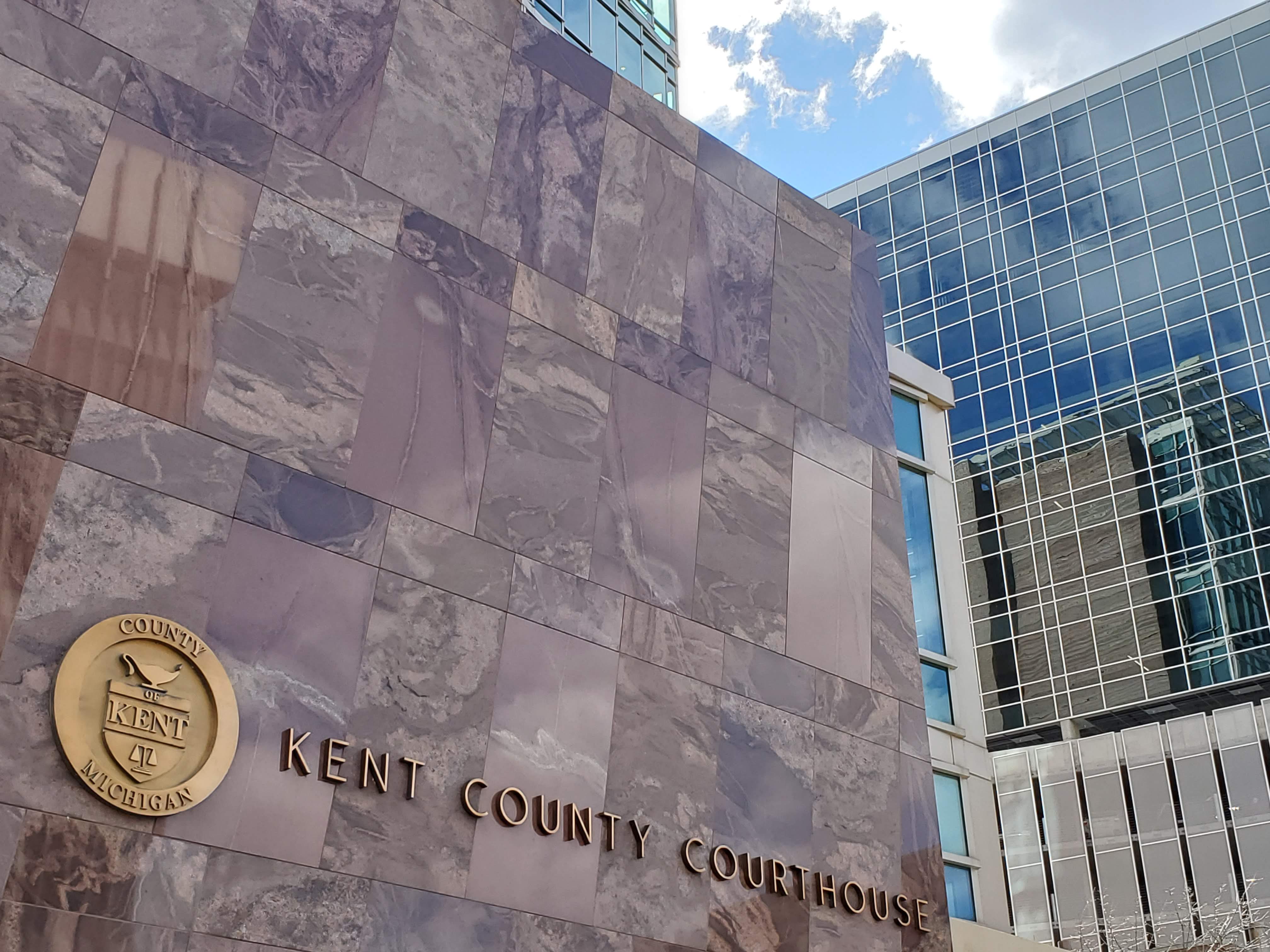
 On October 23, 2019, the Michigan Supreme Court announced that the Hon. Terence J. Ackert has been assigned to the Kent County Business Court docket. Judge Ackert will join Judge Christopher Yates who also presides over this docket. Prior to this assignment, Judge Ackert presided over cases in the Family Division of the Circuit Court.
Michigan Lame-Duck Session Fast-Tracks Proposals for Altering Awards of Attorney Fees
 Two bills are being fast-tracked through a Michigan lame-duck legislative session that would fundamentally alter the State’s legal system regarding awarding attorney fees to a prevailing party.
Specifically, the two bills were introduced on November 8, 2018, and are:
- SB 1182 Civil procedure; costs and fees; attorney fees; require the award to the prevailing
Proposed Legislation To Improve and Expand Michigan Business Courts
 Proposed legislation would revise Michigan’s business courts. It would provide several revisions, including a change that will be important concerning non-compete disputes.
Michigan experimented with creating a “business court” docket in 2011 in Macomb County Circuit Court. The experiment expanded into Kent County in March 2012 and Oakland County in July 2012. Then in 2013,
Michigan Experiments with Business Courts
 It is not often that the legal system and innovation are used (positively) in the same sentence.
However, Michigan has implemented a statewide innovative “business court” system to handle legal disputes that fall into a number of categories associated with business matters.
I’m currently sitting in Wayne County Circuit Court’s Business Court for a breach
Limiting Litigation Costs – Don’t Overlook Your Legal Counsel’s Contribution to the Problem
Michigan business attorney and controlling litigation costs.
Continue Reading Limiting Litigation Costs – Don’t Overlook Your Legal Counsel’s Contribution to the Problem
Michigan Continues to Stand Out in Creating Favorable Business Environment By Moving Closer to Creating Specialized Business Courts
 On September 11, 2012, Michigan took one step closer to implementing a court system specializing in handling business and commercial cases.
Specifically, the Michigan Senate Judiciary Committee unanimously approved legislation that would create a business court system that would exclusively determine disputes if all or part of the claim included a business or commercial dispute where the amount
QWERTY Keyboard Lawyers – Inefficient and Less Value to Clients
 A recent court appearance provides an example of what any company concerned about reducing unnecessary costs should be aware of when it comes to managing outside legal counsel.
Specifically, I was in court last month in relation to a hearing on a motion in a sexual harassment / wrongful termination claim I’m defending. A fairly
March Madness and Employment Litigation – It’s All About the Numbers … and a Little Luck
 Employment discrimination claims and making bracket selections for March Madness a/k/a the men’s Division 1 NCAA basketball tournament often share two decision-making approaches: Guessing and analysis.
For example, Survival of the Fittest: A New Model for NCAA Tournament Prediction discusses analyzing the tournament using a model based on network characteristics to “quantify traits that specifically apply
New Michigan Court Rules Give Jurors More Opportunity To Be Involved in Trials
 The Michigan Supreme Court recently approved new rules for civil and criminal jury trials that will give jurors an opportunity to participate in trials.
Under these rules, jurors will be permitted to take notes, discuss the evidence throughout civil trials, and submit questions to the judge to ask witnesses. A PDF copy of the rules