 The Illinois Attorney General sued Jimmy John’s over the use of its noncompete restrictions on June 8, 2016. The suit alleges that Jimmy John’s is violating state law by requiring its sandwich makers and delivery drivers (i.e. low-wage workers) to sign restrictive noncompetition agreements.
A copy of the lawsuit may be found here (Illinois
 The Wall Street Journal, by
  Abraham Lincoln once noted that if he had six hours to chop down a tree, he would spend the first four sharpening the axe. For employers, that sort of up-front attention to details is especially important when it comes to non-compete agreements. Otherwise, as a recent Michigan Court of Appeals illustrates, the only thing likely
 A fantastic, but often overlooked movie is
  After an individual’s employment is terminated and that individual begins working for a competitor or starts his or her own business, a common question asked by both the individual and the former employer is whether a noncompete agreement can be used to restrict one’s post employment opportunities.
 Employers commonly require employees to execute noncompetition agreements (also referred to as covenants not to compete or restrictive covenants). Under Michigan law (
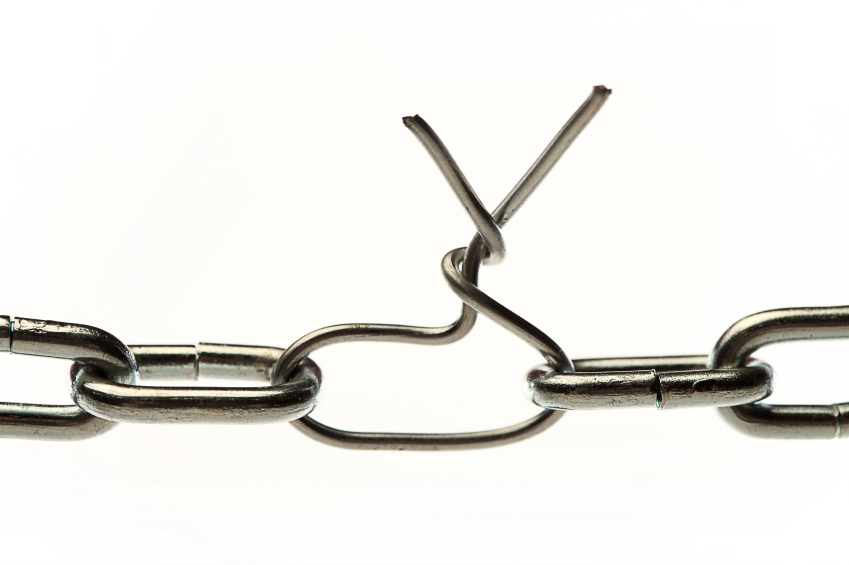 A recent Michigan Court of Appeals Opinion dealt a serious blow to the enforcement of noncompete agreements. The Opinion invalidated a common provision found in such agreements and it illustrates that courts will closely scrutinize noncompete agreements for any weak links that may limit or otherwise invalidate these agreements.